

 By: Nick Niedzwiecki
When people hear the phrase strength and conditioning, many picture elite athletes or intense workouts meant only for the young and fit. The truth is far different. Strength and conditioning training is one of the most powerful tools we have to improve health, independence, and quality of life—for all ages and both men and women.
From kids to seniors, beginners to experienced exercisers, structured strength training provides benefits that no pill, supplement, or short-term fitness trend can replace.
Strength Training Builds a Body That Works in Real Life
Strength and conditioning isn’t just about lifting weights—it’s about preparing the body for everyday tasks such as carrying groceries, getting up from a chair, lifting kids or grandkids, climbing stairs, or preventing falls and injuries.
These movements matter at every stage of life, not just in the gym. Training them intentionally helps people stay capable and confident as they age.
For Kids and Teens: Building a Strong Foundation
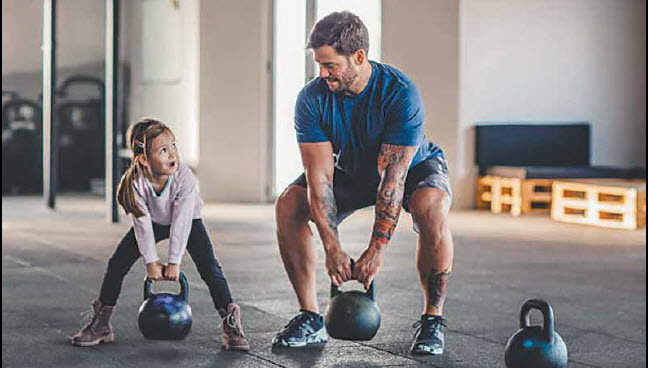
When supervised and taught properly, strength training is safe and beneficial for youth. It improves coordination and motor skills, supports bone development, reduces the risk of sports injuries, and builds confidence and discipline.
Early exposure to strength training also helps young people develop a healthy relationship with exercise—one focused on performance and health rather than appearance.
For Adults: Strength Is Health Insurance
For adults juggling work, family, and stress, strength training preserves muscle mass; boosts metabolism; improves posture and joint health; reduces back, knee, and shoulder pain; and helps manage weight more effectively than cardio alone.
Just as importantly, strength training improves energy levels and mental resilience—two things many adults feel they’re constantly lacking.
For Older Adults: Independence Is the Goal
After age 30, muscle mass naturally declines unless we actively train it. Without strength training, this loss accelerates and can lead to balance issues, falls, loss of independence, and difficulty performing daily activities.
Strength and conditioning helps older adults maintain bone density, improve balance and stability, protect joints, and stay independent longer.
Simply put: strength keeps people living life on their own terms.
For Women: Strength Is Empowerment
For decades, women were told to avoid lifting weights. We now know that was wrong.
Strength training helps women improve bone density and reduce osteoporosis risk, regulate hormones, improve body composition without “bulking up,” and increase confidence and self-esteem.
It’s especially important during menopause, when muscle loss and bone density decline speed up. Lifting weights isn’t optional—it’s essential
For Men: Longevity Over Ego
For men, strength training supports joint health, preserves muscle as testosterone naturally declines, reduces injury risk, and improves cardiovascular health when paired with conditioning.
Smart strength training focuses less on ego lifting and more on movement quality, mobility, and long-term health.
Conditioning Supports the Heart and the Brain
Conditioning work—like interval training, sled pushes, rowing, biking, or brisk walking—improves heart health, lung capacity, insulin sensitivity, stress management, and cognitive function.
When paired with strength training, it creates a balanced approach that improves both physical and mental performance
The Big Takeaway
Strength and conditioning training isn’t about becoming extreme—it’s about becoming capable.
Capable of moving well.
Capable of staying injury-free.
Capable of living independently.
Capable of enjoying life longer.
No matter your age, sex, or current fitness level, strength training meets you where you are and gives you what you need most: a stronger, healthier future.
And the best time to start? Today.
Coach Nick
Owner
CrossFit Athens
www.CrossFitAthens.com