


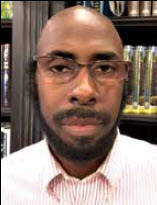
 By: Eric Betts
Most people assume leadership begins with making decisions. I would suggest it begins much earlier—with interpretation. Before we decide what to do, we first decide what something means. We interpret conversations, financial reports, community needs, workplace conflicts, and even the motives of other people. Two leaders can look at the same situation and arrive at entirely different conclusions because they have interpreted it differently. Ethical leadership, therefore, is not simply about making good decisions; it is about developing the wisdom to interpret people and circumstances with fairness, humility, and truth. In many respects, leadership is less about the decisions we make than the way we learn to see the world before making them.
The reality is that every one of us views life through a particular lens. Our experiences, upbringing, successes, disappointments, and values all shape the way we understand the world around us. We have all experienced moments when we later discovered that we had misunderstood someone’s intentions or jumped to conclusions before knowing the whole story. Wise leaders learn to pause before reacting. They ask questions before making judgments and seek understanding before assigning blame. Often, the difference between conflict and cooperation is not the situation itself but the way it has been interpreted.
 There is a timeless spiritual principle woven into this truth: the quality of our leadership is limited by the quality of our vision. If we see people only as obstacles, competitors, or problems to solve, our leadership will eventually reflect those assumptions. But when we learn to see others with dignity, possibility, and grace, our decisions begin to reflect those values as well. Character is formed not only by what we choose to do but also by how we choose to see. The clearest vision is seldom found in those who speak the loudest, but in those who remain humble enough to keep learning. The way we see the world eventually becomes the way we shape the world. That is why learning to see well is one of the greatest responsibilities of leadership. The heart and the mind are never far apart. The interpretations we cultivate quietly become the character we display.
Misinterpretation is rarely harmless. When we assign the wrong meaning to people or situations, even well-intentioned decisions can produce unintended harm and fracture relationships. Wisdom reminds us that seeing clearly is itself an ethical responsibility, for our decisions can never rise above the truthfulness of our understanding.
Perhaps that is why the most successful leaders are rarely the quickest to speak or the fastest to judge. They understand that leadership is not simply the art of making decisions; it is the discipline of interpreting life wisely. Long before our actions shape our reputation, our interpretations shape our actions. When we learn to see more truthfully, we begin to lead more faithfully. In the end, lasting success belongs to those who continually refine not only their skills but also the lens through which they view the people and opportunities entrusted to their care.
By: Eric Betts
Assistant Director, Curtis Coleman Center for Religion Leadership and Culture at Athens State University