
 By: Eric Betts
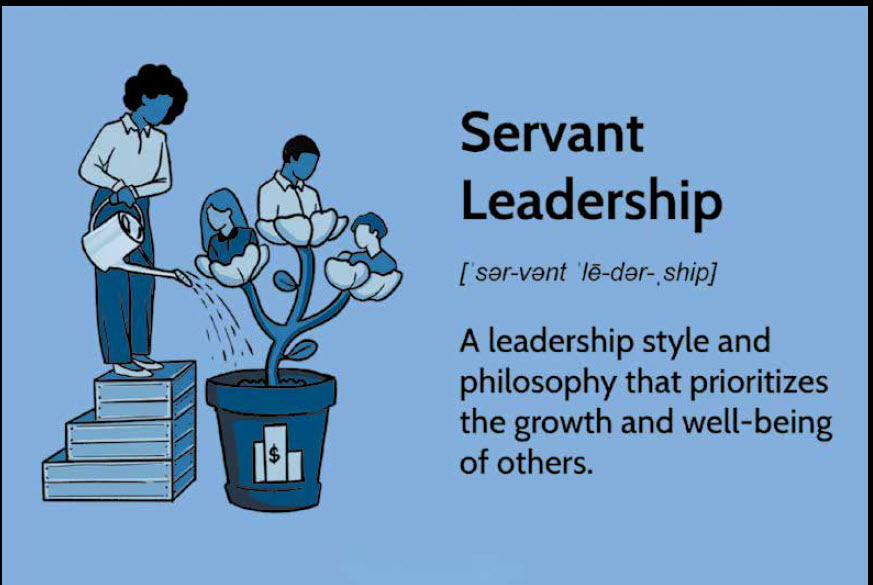
“Servant leadership” has become one of those phrases almost everyone can affirm. Businesses include it in mission statements, churches teach it, and leadership seminars encourage it. Yet whenever a good idea becomes familiar enough, there is a danger that we can repeat the language without wrestling with what it actually requires. Servant leadership is more than being nice, approachable, or willing to lend a helping hand. It asks a much harder question: What happens to other people because I have been given the opportunity to lead them? If leadership consistently enlarges the leader while diminishing everyone else, calling it servant leadership does not make it so.
True service becomes most visible in the way we use power. A supervisor who listens but never advocates for employees when it costs something has only practiced part of service. A community leader who speaks warmly about people but excludes them from meaningful decisions has confused friendliness with servant leadership. Even generosity can become self-serving when it keeps others dependent upon the generosity of the leader. The purpose of servant leadership is not to make people more dependent upon the leader, but to help people become more capable of flourishing without the leader. That means sharing knowledge, developing others, creating opportunities, giving credit, correcting with dignity, and sometimes opening doors through which someone else may eventually walk farther than we have.
There is a deeply spiritual idea beneath this understanding of leadership. Whatever gifts, opportunities, knowledge, resources, or authority we possess have been entrusted to us for more than our own advancement. Leadership is stewardship. Yet stewardship requires more than protecting what has been placed in our hands; it asks what becomes possible for others because it passed through our hands. Service is not measured by how low the leader appears willing to bend, but by how many people are able to stand because the leader served. That moves servant leadership beyond performance and into formation.
The servant leader is continually learning to govern ego, listen more carefully, exercise power responsibly, and recognize the dignity and potential of those who may never carry the same title.
This is also why servant leadership and vocational success belong together. True success cannot be measured only by how far we travel in our careers, how much authority we accumulate, or how many people know our names. Eventually, every position will be occupied by someone else. The better question is what remains in the people and institutions after we are gone. Did people become wiser, stronger, more confident, and better prepared because we led them? Did the organization become healthier? Did someone discover possibilities that might otherwise have remained closed? Perhaps the highest evidence of successful leadership is not that people cannot imagine succeeding without us, but that our service helped prepare them to succeed after us. That is servant leadership beyond cliché, and it is the kind of success that can outlive a title.