
 By: Claire Tribble
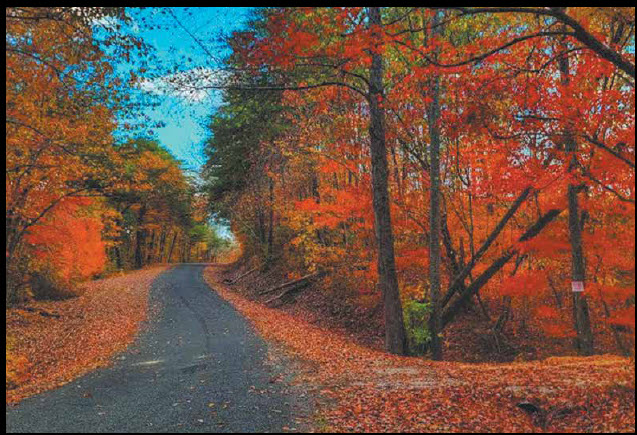
As the leaves begin to change colors and fall across Limestone County, many homeowners reach for their rakes and leaf blowers to clear their yards. While a tidy lawn may be appealing, leaving some of those fallen leaves behind can actually be one of the best things you can do for your yard, local wildlife, and the environment.
The practice of “leaving the leaves” is an easy, inexpensive way to support a healthier ecosystem right here in North Alabama. Instead of bagging every leaf and sending it to the landfill, consider letting nature put those leaves to work.
Leaves are nature’s mulch. As they break down, fallen leaves return valuable nutrients and organic matter to the soil. This natural process improves soil health, helps retain moisture, and can reduce the need for commercial fertilizers. A layer of leaves around trees, shrubs, and garden beds also helps regulate soil temperatures, protecting plant roots from temperature fluctuations during the winter months.
Fallen leaves provide important habitat for wildlife. Many beneficial insects including butterflies, moths, fireflies, and native bees depend on leaf litter to survive the winter. Some butterflies and moths overwinter as eggs, caterpillars, or pupae among fallen leaves. Firefly larvae also use leaf litter as habitat while feeding on organisms such as snails and slugs. When leaves are removed, these insects lose valuable shelter and protection. Leaving leaves in place helps support the food chain and provides habitat for birds and other wildlife that depend on insects for food.
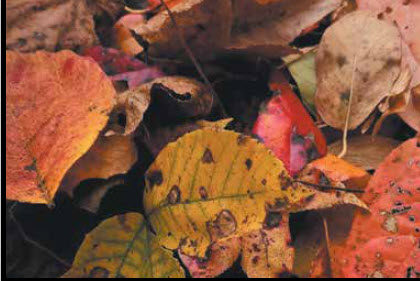
Keeping leaves out of landfills reduces waste. Every fall, bags of leaves are collected and transported away from neighborhoods. Much of this organic material could instead be composted or used as natural ground cover. Allowing leaves to decompose on your property keeps valuable organic matter out of the waste stream and reduces the need to transport and dispose of yard debris.
There are also benefits for Limestone County’s waterways. Leaves left in appropriate areas of the yard help protect soil from erosion and improve water absorption. Healthy soil and vegetation can help reduce stormwater runoff, which may carry sediment and pollutants into nearby creeks, streams, and the Tennessee River. This is especially important in our community, where protecting local waterways is essential to maintaining a healthy environment.

You don’t have to let your entire yard become a blanket of leaves to make a difference. Consider leaving leaves underneath trees, around shrubs, and in garden beds. You can also create a designated leaf pile in an out-of-the-way corner of your yard to provide wildlife habitat. If leaves accumulate heavily on your lawn, mulch them with a mower so they break down more quickly and return nutrients to the soil. Keep leaves away from storm drains, sidewalks, driveways, and areas where they could create slippery conditions or block drainage.
If you have more leaves than your yard can use, consider composting them. Shredded leaves make an excellent addition to compost piles and can be saved for use in gardens throughout the year.
This fall, Keep Athens-Limestone Beautiful encourages residents to rethink the traditional fall cleanup. A few leaves left behind can make a big difference for local wildlife, healthier soil, and cleaner waterways. Sometimes, the most environmentally friendly thing you can do is simply leave nature where it belongs. So before you grab that rake, remember: Leaves aren’t litter. They’re a valuable natural resource!
By: Claire Tribble – Executive Director,
Keep Athens-Limestone Beautiful