
 By: Ali Elizebeth Turner
In 1918, on the 11th Day of November, at 11 a.m., the end of WWI was formalized with a document signed by all the participating nations, and the Great War was over. The ceremony was held in a railcar near Versailles in France. The nations started what was both the rebuilding process as well as the set of circumstances that fostered the rise of Nazism and fascism 20 years later, culminating in WWII. Until after the end of WWII, November 11 was known as Armistice Day, and sought to honor those who had fought in the War to End All Wars.
New York City had the first parade to honor veterans in 1919, and it is still going today. It goes down 5th Avenue. However, just like the Macy’s Thanksgiving Day Parade is strictly a part of NYC culture, there was no intent of having parades become a national event. The very first national celebration of what has come to be called Veterans Day was held right here in Birmingham, Alabama, at the behest of a WWII veteran by the name of Raymond Weeks.
Mr. Weeks organized the Birmingham celebration with the idea of honoring all veterans, and unlike Memorial Day, Veterans Day was to honor those who had served and even had been in harm’s way, but had not had to make the ultimate sacrifice. I am not proud to admit that it wasn’t until I was in Iraq that I understood the difference between the two holidays. I learned there that it is completely inappropriate to wish someone a “Happy Memorial Day,” and that is a mistake I no longer make, thank God.
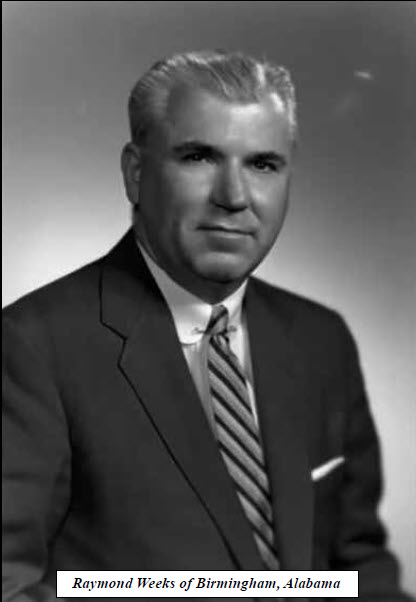
Mr. Weeks wanted Veterans Day to be more celebratory, and he went to Washington D.C. to visit Dwight Eisenhower with a handwritten proposal that this become a national holiday. At the time Raymond Weeks went to DC, Ike was serving as Army Chief of Staff, and Weeks delivered his petition to him personally. Later on, a bill was introduced by Kansas U.S. Congressman Edward Rees.
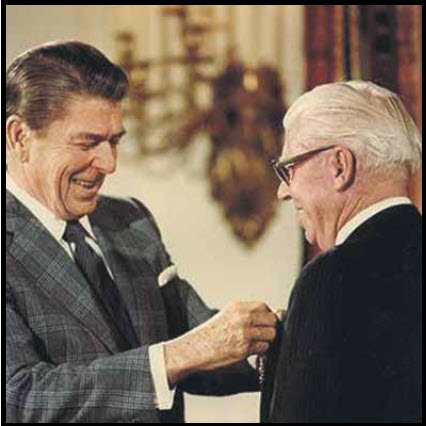
Eisenhower became president in 1953, and in 1954 he signed into law the bill that made Veterans Day a national holiday, and for the next 38 years, Raymond Weeks served as the National Director of Veterans Day from Birmingham. He also became known as the Father of Veterans Day, and in 1982, President Ronald Reagan honored Weeks with the Presidential Citizen’s Medal. Reagan, in his speech honoring Mr. Weeks, said that Raymond Weeks was a person who “…devoted his life to serving others, his community, the American veteran, and his nation.” Weeks died in his hometown just three years after the award was given, in 1985 at the age of 76.
This Veterans Day, please take a moment to honor all veterans, and keep an eye out for a service member that deserves to be thanked. You’ll never know just how much that might mean to them.
By: Ali Elizabeth Turner