

 By: Eric Betts
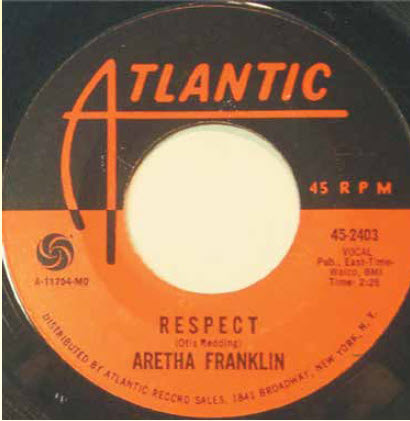
Aretha Franklin’s “Respect” became an anthem because the word names something deeper than courtesy. Respect is a recognition of worth. In leadership, however, respect is often treated as something leaders expect rather than something they practice. We tend to believe that expertise earns trust: the person with the credentials, experience, position, or technical knowledge should naturally be trusted. But expertise alone can create distance. When leaders become so confident in what they know that they dismiss what others have experienced, they may establish authority without ever establishing trust.
Respect begins when we recognize that people are not simply recipients of our expertise; they are bearers of knowledge shaped by their own lived experience. Every person brings a history, perspective, struggle, and understanding that cannot always be captured in a credential or leadership position. Human beings encounter one another not simply as experts and subjects, but as persons. We come to know one another through relationship. Relational knowing requires us to listen long enough to discover what another person knows that we do not. Respect, therefore, is not the abandonment of expertise. It is the humility to place our expertise in conversation with the wisdom of others.
This is where trust begins to grow. People are more likely to trust leaders when they believe they have been heard, taken seriously, and treated with dignity. Respect does not mean that a leader must agree with every perspective or surrender the responsibility to make difficult decisions. It means that disagreement does not require dismissal. A leader can say, “I see this differently,” while still communicating, “Your experience matters to me.” That distinction is critical. Trust is built when people discover that their humanity will not be diminished simply because the leader possesses greater authority or different expertise.
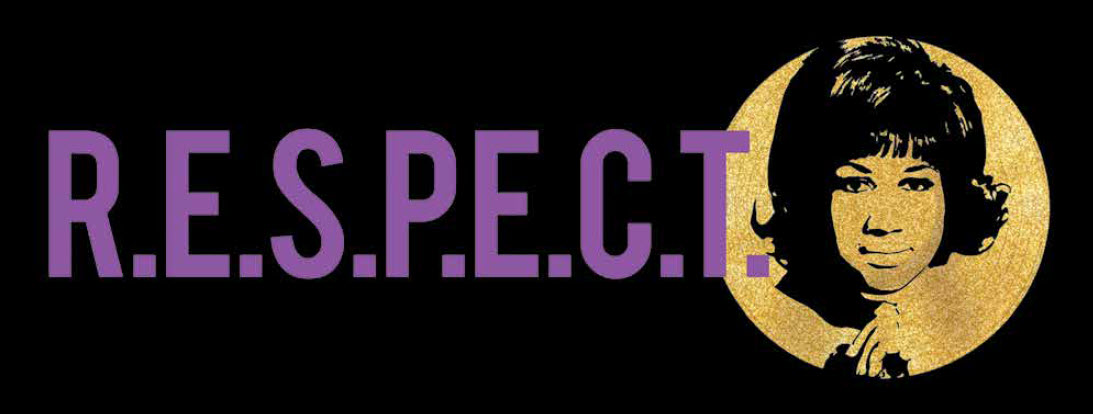
Perhaps, then, one of the most important disciplines of leadership is learning to enter the room with something to offer and something to learn. Expertise gives leaders valuable tools, but respect opens the door to relationship. And relationship creates the conditions for trust. The best leaders do not merely ask, “What do I know?” They also ask, “Whom am I encountering, what do they know, and what might I learn by listening?” Respect becomes more than a word in a song. It becomes a pathway to the kind of leadership in which people do not simply follow authority, but they trust the person who has taken the time to see them. And perhaps that is the leadership lesson hidden in Aretha’s anthem: before we ask people to trust our expertise, we might first ask whether they have experienced our respect.
By: Eric M. Betts
Curtis Coleman Center for Religion, Leadership and Culture
Athens State University