

 By: Eric Betts
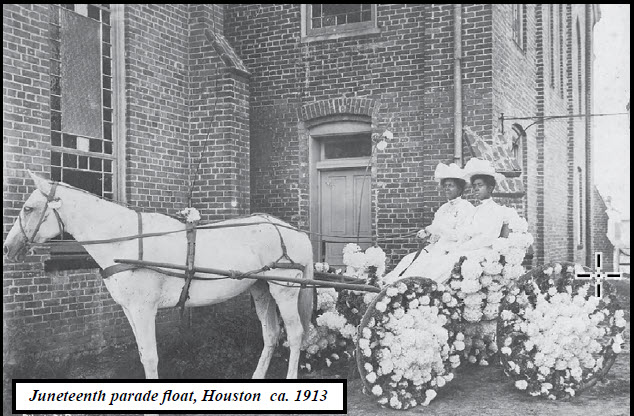
Every June 19th, communities across the country pause to remember Juneteenth, which is the day in 1865 when news of freedom finally reached enslaved people in Texas. The Emancipation Proclamation had been signed more than two years earlier, but the truth of freedom had been delayed, resisted, and in some places intentionally hidden. Juneteenth marks the moment when the law finally acknowledged what had already been declared.
That delay teaches us something important about leadership. Sometimes the law is slow. Sometimes enforcement is uneven. Sometimes the rules on the books do not match the reality on the ground. And in those moments, people have to decide whether they will wait for permission to do what is right, or whether they will live by a deeper truth that does not depend on anyone’s approval.
For many people of faith, that deeper truth is God’s truth, which the conviction that every person carries dignity, worth, and the right to be treated with fairness. Long before freedom was recognized on paper, God’s truth had already spoken it. Long before families were legally protected, God’s truth had already affirmed their value. Juneteenth reminds us that God’s truth exists long before legal truth, and ethical leadership is found in the space between the two.
We see this kind of leadership today in quiet, everyday ways. A teacher who stands up for a struggling student because it’s the right thing to do. A business owner who treats workers with respect because it honors their humanity. A neighbor who steps in to help long before anyone asks. These are not dramatic acts, but they are the choices that keep a community healthy and whole.
In that sense, Juneteenth is more than a celebration. It is a call to courage. It invites us to be the kind of people who live by God’s truth even when it is delayed, unenforced, or ignored. It invites us to close the gap between what is enforceable truth and what is right. And it reminds us that when we do, freedom becomes more than a moment in history, but it becomes a way of leading, a way of living, and a gift we pass on to others.
This truth is dramatically and impactfully spoken in the words of the great battle hymn of the republic:
Mine eyes have seen the glory of the coming of the Lord:
He is trampling out the vintage where the grapes of wrath are stored;
He hath loosed the fateful lightning of His terrible swift sword:
His truth is marching on.
By: Eric Betts
Assistant Director, Curtis Coleman Center for Religion Leadership and Culture at Athens State University