

 By: Eric Betts
Many people across businesses, churches, vocations, and organizations quietly sabotage their progress by measuring themselves with the wrong yardsticks. The core issue is simple: most default to external metrics, which involves industry benchmarks, growth curves, productivity formulas that were never designed with their unique strengths, purpose, or giftedness in mind.
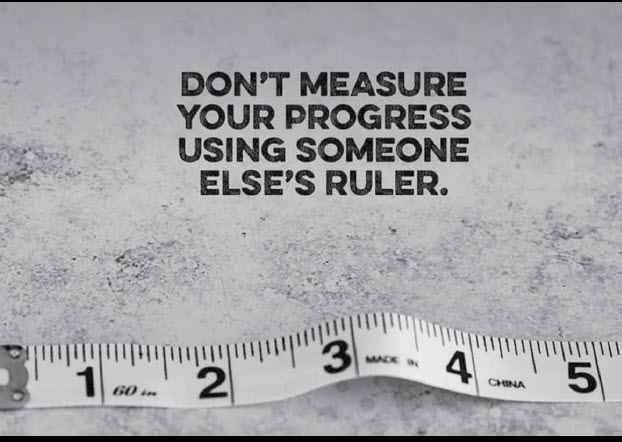
When you measure a calling with someone else’s ruler, the numbers will always lie. This mismatch creates a false sense of inadequacy, leading people to believe they’re behind, ineffective, or failing, when in reality they’re simply using the wrong scorecard. The discouragement deepens because many assume metrics are universal. They’re not. A church with a mission centered on deep discipleship shouldn’t compare itself to a church built for rapid expansion. A business built on craftsmanship and relational trust shouldn’t measure success by the same speed‑driven metrics as a high‑volume competitor. A person whose vocation is rooted in creativity or care shouldn’t judge their progress by the same markers as someone driven by scale or efficiency. When measurements don’t match design, the result is frustration, burnout, and the illusion of failure.
Healthy metrics begin with identity. Before choosing what to measure, leaders and individuals must clarify their vision, mission, and unique wiring. Metrics should illuminate whether you are becoming more of who you are called to be, not whether you are keeping up with someone else’s trajectory. When metrics align with purpose, they become energizing rather than exhausting. They help you see progress that actually matters: depth instead of breadth, transformation instead of traffic, impact instead of imitation.
This shift turns measurement into a tool for growth rather than a weapon of comparison. Ultimately, the most powerful organizations and individuals are those who embrace metrics that reflect their distinctiveness. They measure what aligns with their calling, not what flatters their ego or mirrors their competitors. They track progress toward their mission, not someone else’s milestones. When you build your scorecard around your vision and mission, you create a sustainable path forward, which is one that honors your strengths, fuels your purpose, and keeps you anchored in the work you were uniquely designed to accomplish.
By: Eric Betts
Assistant Director, Curtis Coleman Center for Religion Leadership and Culture at Athens State University