


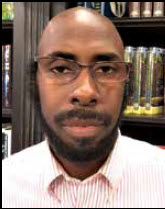
 By: Eric Betts
Spring always reminds us that leadership is not forged in calm weather. This season brings its own soundtrack—sirens in the distance, wind rattling windows, clouds gathering faster than we can track. Storms have a way of exposing what’s loose, what’s fragile, and what’s been neglected. But they also reveal what’s been built with intention.
Leadership works the same way. Anyone can appear strong when the sky is clear. It’s only when the winds rise that we discover who has anchored their character, their convictions, and their community in something deeper than convenience.

Weathering storms requires a steady builder’s mindset. The leaders who endure aren’t the ones who chase every trend or react to every gust. They’re the ones who, like the great strategic builders of our history, understand that preparation is not panic—it’s stewardship. They reinforce relationships before the rain comes. They cultivate trust long before the lightning strikes. They invest in people, systems, and spiritual grounding so that when the pressure hits, they don’t have to scramble to find stability; they’ve already built it.
Storms also teach leaders to listen. When thunder rolls and the wind shifts, creation itself becomes a classroom. Storms remind us that we are not in control, but we are responsible. We can’t stop the weather, but we can strengthen the structures under our care. We can’t predict every crisis, but we can cultivate the wisdom, humility, and courage to respond well.
Leaders who listen—to God, to their teams, to the changing conditions around them—are the ones who navigate uncertainty without losing their center.
And finally, storms reveal the power of connection. A single beam can’t hold up a house in a tornado, but a network of beams can. In the same way, isolated leaders collapse under pressure, but connected leaders—those who build community, empower others, and share the load—stand firm. Spring storms will come, both in the sky and in our lives. But leaders who build steadily, listen deeply, and stay connected will not only survive the season; they’ll help others find shelter, strength, and hope in the midst of it.
By: Eric Betts
Assistant Director, Curtis Coleman Center for Religion Leadership and Culture at Athens State University