

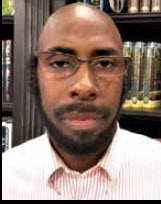
 By: Eric Betts
In a culture that often rewards loud personalities, self-promotion, and constant visibility, the most transformative leaders rarely look the way we expect. Prophetic leadership — the kind that changes communities and shapes history — is not often built on charisma alone. Instead, it rests on deeper moral foundations: humility, courage, and resilience. These qualities form the quiet architecture of leadership that serves others rather than the ego of the leader. When these virtues are present, leadership moves beyond personal ambition and becomes a calling rooted in responsibility, integrity, and moral vision.
Humility is often misunderstood as weakness or lack of confidence, but in reality, it is clarity about one’s purpose. Leadership rooted in humility recognizes that the mission matters more than the spotlight. Leadership scholar Jim Collins, in his study of what makes organizations truly great, calls this “Level 5 leadership” — a paradoxical blend of personal humility and fierce determination for a cause greater than oneself. One of the clearest examples of this kind of leadership is Howard Thurman, the renowned minister and contemplative whose spiritual insights helped shape the Civil Rights Movement. Thurman was never the loudest voice in the room, nor did he seek public recognition, yet his influence on figures like Martin Luther King Jr. was profound. His writings and spiritual guidance strengthened the moral foundations of a movement that changed America.
But humility alone is not enough. Prophetic leadership also requires courage — not the loud outrage that dominates social media, but the deeper courage to stand for what is right even when it is difficult or unpopular. Thurman lived through the harsh realities of segregation and racial injustice, yet he refused to allow hatred to define his response. In his classic work Jesus and the Disinherited, he warned that fear, deception, and hatred can become destructive forces within our culture and within one’s soul. His message was that confronting injustice requires moral strength without surrendering one’s humanity. Courage in leadership means telling the truth when silence would be easier, resisting injustice without losing compassion, and maintaining conviction even when pressure mounts.
Finally, prophetic leadership demands resilience. Real change rarely happens quickly, and those who seek to transform communities often face resistance, misunderstanding, and fatigue. Resilience is the ability to endure that resistance without losing sight of the larger vision. Howard Thurman spent decades teaching, mentoring, and building bridges across racial and social divides long before such efforts were widely embraced. His life reminds us that meaningful leadership is not about momentary recognition but long-term faithfulness. Humility keeps leaders grounded, courage keeps them honest, and resilience keeps them moving forward. Together, these virtues form the soul of prophetic leadership — the kind of leadership our communities need now more than ever.
By: Eric Betts
Assistant Director, Curtis Coleman Center for Religion Leadership and Culture at Athens State University