

 By: Eric Betts
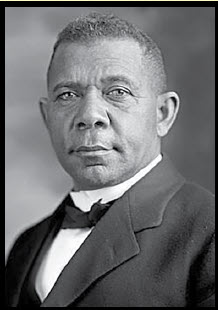
Booker T. Washington stands as one of the most strategic and steady builders in American history, a man who understood that progress is rarely the product of sudden bursts but of disciplined, deliberate construction. Born into enslavement in 1856, Washington emerged from the shadows of bondage with a vision that stretched far beyond his own lifetime. He believed that education, skill, and character were the foundation stones upon which a people could rise. His life became a blueprint for what it means to build with intention, to build with patience, and to build with an eye toward the generations that will inherit the work.
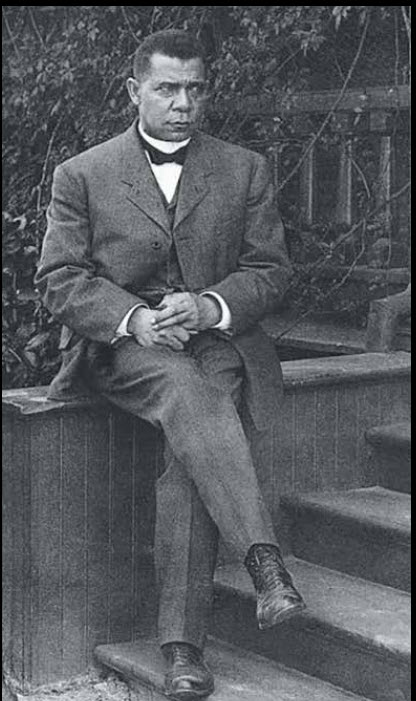
His most enduring creation, the Tuskegee Institute, began in 1881 with no buildings, no money, and no resources beyond Washington’s conviction that Black people could—and must—build institutions of excellence. Under his leadership, students literally made the campus with their own hands: they molded bricks, raised walls, planted crops, and constructed a world-class school from the ground up. Washington built more than a campus; he built capacity. He built dignity. He built a culture where labor was not a mark of inferiority but a pathway to mastery and self‑determination. Tuskegee became a living testimony that brilliance could flourish even in the hostile soil of the post‑Reconstruction South.
Washington’s influence extended far beyond the borders of Alabama. He built networks of donors, alliances with political leaders, and partnerships with communities across the nation. Through the National Negro Business League, he built platforms for Black entrepreneurs to thrive. Through his writings, he built narratives of resilience and possibility. Through his quiet but persistent advocacy, he built pathways for countless Black families to access education, land ownership, and economic stability.
Today, Washington’s legacy offers a model for anyone seeking to build something that lasts. He teaches us that progress is not magic; it is masonry. It is laying one brick at a time, even when the world doubts your ability to build. It is investing in people, institutions, and skills that outlive you. In a moment when quick results often overshadow long-term vision, Booker T. Washington reminds us that steady builders shape history. They do not simply react to the world—they construct a new one. And like Washington, we are called to build with strategy, with steadiness, and with the unshakeable belief that what we build today can bless generations yet to come.
By: Eric Betts
Assistant Director, Curtis Coleman Center for Religion Leadership and Culture at Athens State University