
 By: Ali Elizabeth Turner
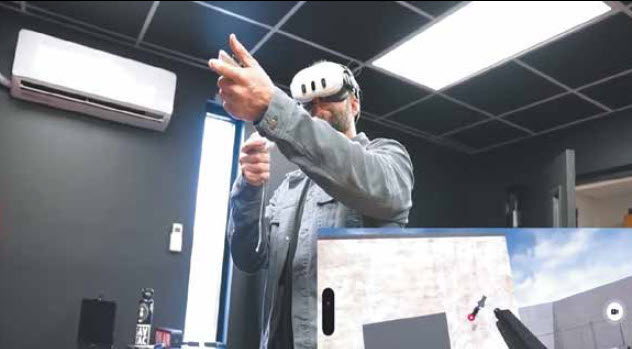
What do you think of when you hear the words virtual reality? For most people, it is a sophisticated form of entertainment that is all-encompassing when it is used, and not a whole lot more. However, there is a company by the name of Neurova that was started by a veteran who has struggled with PTSD for decades and has developed a system that is helping veterans, first responders, athletes, and others who want to successfully give their brain a much-needed boost, or a reset, if you will.
The proprietary software fits in standard VR headsets, and draws upon both the heightened experiences of veterans when they are in combat, as well as cycles in calming aspects that give the brain a break. Apparently, it is the carefully designed access to both types of stimuli that does the trick, and healing is immersive, speedy, and deeply.
Veterans who struggle with PTSD have tried it all: talk therapy, drugs, meditation and more, and often feel betrayed by the lack of results. While the Neurova protocol does not claim to take the place of therapy in particular, it has shown to work for veterans and others who have had persistent and debilitating symptoms.
Neurova’s founder is a man by the name of Brenden Borrowman, who served in Afghanistan and had to be medically evacuated out in 2011. He had a period of intense recovery as well as time in a Warrior Transition Battalion. During that time, he was surrounded by fellow travelers, many of whom were struggling with suicide. Other challenges included traumatic brain injury and substance abuse/addiction.
Person after person in Brenden’s life committed suicide, and Brenden knew he needed to do something for himself as well as his buddies.
“We are not therapists,” Brenden said. “We are not here to give closure on trauma. We are here to heal the injury so the brain can function properly again. Everything else works better when the foundation is solid.”
Depending on the intensity of need, initial treatment is done in four-day blocks. The brain builds on the experience, and users of the software then access the protocol when they need it. One soldier mentioned how much it had helped him deal with his kids when they “push his buttons,” and even his therapy dog noticed the difference in him.
Firefighters who had just plainly seen and endured too much over the course of a career found they were able to deal with their own trauma and that of others much better. More than anything, soldiers who had felt betrayed by the lack of help available through “the system” had hope again.
“It reset my brain,” said one soldier. “That is not marketing language. That is what it felt like.” Neurova is proof once again that we are fearfully and wonderfully made, and that our brains in particular were made to be “organs of resilience.” And that is great news for our soldiers and first responders who have given so much to keep us safe.
By: Ali Elizabeth Turner