


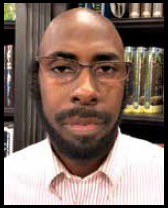
 By: Eric Betts
Leadership is not for the faint of heart. It is a mantle that attracts both admiration and accusation, often in the same breath. When things go wrong—whether due to systems, circumstances, or collective failure—leaders become the lightning rods for blame. This is not necessarily a reflection of personal failure, but rather a function of the role itself. The position of leadership is designed to bear the weight of responsibility, and with that comes the inevitability of criticism, misunderstanding, and even betrayal.
Human nature seeks clarity in chaos, and in moments of crisis, people instinctively look for someone to hold accountable. Leaders, by virtue of their visibility and authority, become the most convenient targets. This dynamic is not new. From Moses to Mandela, from Dr. King to modern-day change-makers, history is filled with examples of leaders whose motives were questioned, whose decisions were dissected, and whose character was challenged. Yet, their legacy was not defined by the accusations they endured, but by the vision they held and the courage with which they led.
To lead well, one must learn the sacred art of not taking it personally. This does not mean becoming indifferent or emotionally detached, but rather developing the spiritual and emotional maturity to distinguish between personal attacks and the burdens of leadership. It means recognizing that criticism often says more about the fears and frustrations of others than it does about your own integrity. It means refusing to internalize every complaint as a condemnation of your calling.
Ultimately, you must anchor yourself in the assurance of your gifts and the righteousness of your path. If your leadership is rooted in justice, compassion, and truth, then you are on the side of right—even when others cannot yet see it. Trust the process. Trust the God who called you. And remember: the weight of blame may fall on your shoulders, but the strength to carry it comes from within and above. Keep leading. Keep believing. Keep becoming.
By: Eric Betts
Assistant Director, Curtis Coleman Center for Religion Leadership and Culture at Athens State University